

For decades, Aruba has been “One Happy Island,” a safe haven shielded from global turmoil. That era effectively ended this weekend. The Aruba economy US crisis is now the single greatest threat to our nation’s survival. The converging disasters of a potential American civil war and a NATO fracture place our island directly in the geopolitical crosshairs.
The Tourism Collapse: A Darker Déjà Vu
The most immediate impact is economic. Aruba does not have a diversified economy; we rely almost exclusively on tourism. Specifically, we rely on tourists from the United States, who account for over 80% of our annual visitors.
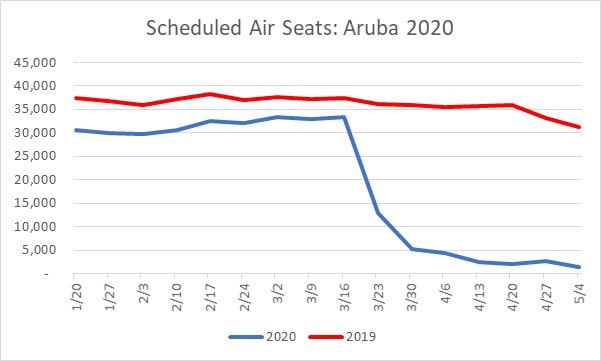
We have already seen a terrifying preview of this nightmare. During the COVID-19 pandemic in 2019 and 2020, global travel froze. Consequently, Aruba experienced one of the deepest GDP contractions in the world. We remember the empty hotels, the silent airport, and the families struggling to buy groceries.
However, the current situation is far more dangerous. The pandemic was a temporary pause caused by a virus. In contrast, the Aruba economy US crisis is driven by structural war. Americans worried about civil conflict do not book Caribbean vacations. Furthermore, the value of the US dollar is fluctuating wildly due to the threat of European sanctions.
Since the Aruban Florin is pegged to the US dollar, our currency is vulnerable. If the dollar collapses, our purchasing power evaporates. Hoteliers in the Palm Beach district are already reporting mass cancellations for the upcoming season. We are facing a repeat of 2020, but without the hope of a vaccine to save us.
The NATO Trap
Beyond economics, there is a terrifying legal reality. Aruba is a constituent country of the Kingdom of the Netherlands. The Netherlands is a founding member of NATO.
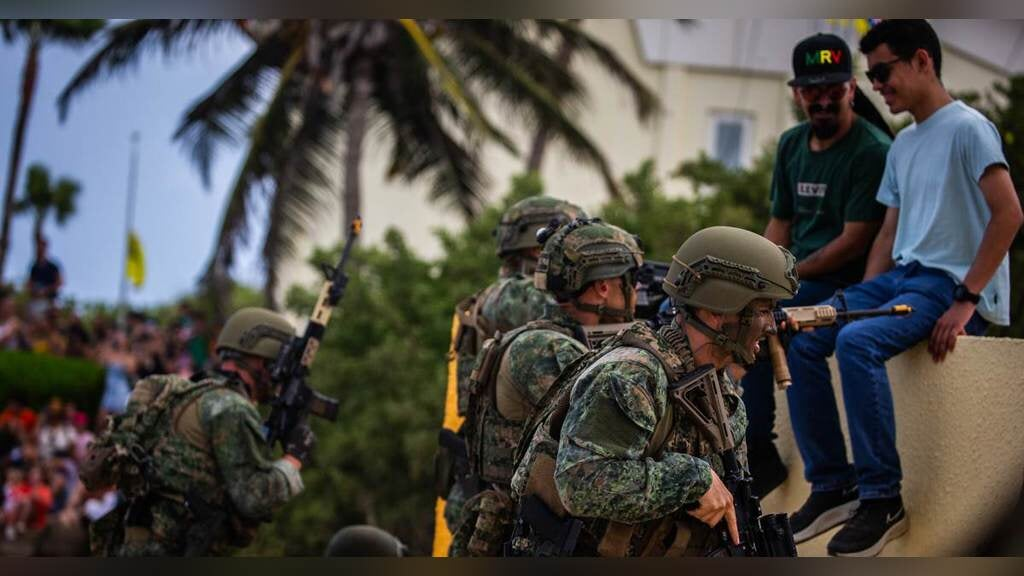
As of Sunday, the Netherlands has joined France and the UK in opposing US aggression in Greenland. If the US military engages Danish forces, the Netherlands is treaty-bound to consider the US an enemy combatant.
This creates a nightmare scenario. Aruba hosts a Dutch Marine base at Savaneta. Just 18 miles south, the US Navy is currently conducting combat operations in Venezuela. If the Netherlands and the US are in a state of conflict, Aruba becomes a strategic military target. We are no longer a neutral tourist destination; we are a NATO outpost on the doorstep of a US war zone.
The Water and Food Threat
The most dangerous aspect of the Aruba economy US crisis is our physical survival. Aruba is a desert island. We import 98% of our food, mostly from the United States or via US shipping lanes.
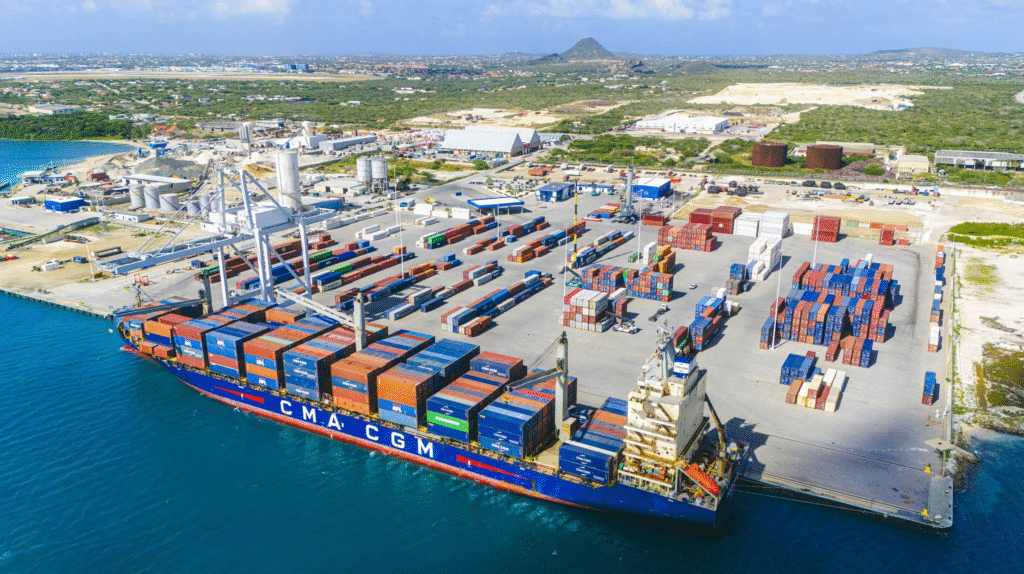
Additionally, our fresh water comes from the WEB Aruba desalination plant. This plant requires heavy fuel oil and LNG to operate. These fuels are imported via supply chains that are now disrupted by the US naval blockade of Venezuela.
If US shipping lines shut down due to civil war, or if the US Navy blocks fuel tankers from reaching “hostile NATO territory,” Aruba runs out of food and water in days. The shelves in Oranjestad supermarkets would go bare almost instantly.
Conclusion
The government must act immediately. We cannot wait for clarity from Washington or The Hague. We must ration fuel, secure alternative food sources from South America, and prepare for a total economic reset.
The Aruba economy US crisis is not a passing storm; it is a permanent shift in our reality. The world where we could rely on American stability and Dutch protection simultaneously is gone. We are now on our own in a very dangerous neighborhood.
Article Sources
“Delta Force, other special operations soldiers carried out Venezuela raid (Operation Absolute Resolve)”
Task & Purpose
https://taskandpurpose.com/news/venezuela-maduro-delta-force-absolute-resolve/
“Expert Comment: The illegality of the US attack against Venezuela is beyond debate”
University of Oxford News
Aruba Economic Background (Data Sources)
https://www.state.gov/u-s-relations-with-aruba/
“Aruba Economic Indicators & Tourism Dependence”
Central Bureau of Statistics (CBS) Aruba
https://cbs.aw/economy/tourism-statistics
“U.S. Relations With Aruba”
U.S. Department of State



0 Comments