

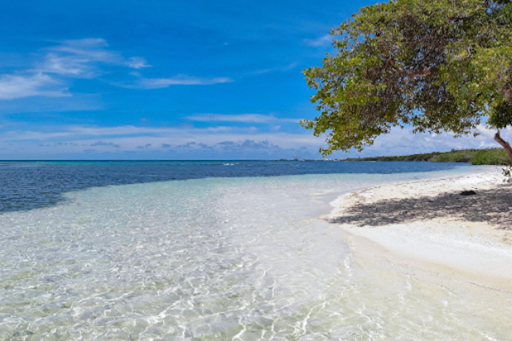
PIC by : casiola.com
The debate about overtourism in Aruba is becoming harder to ignore.
The question is no longer simply whether Aruba should welcome tourists. Tourism is the island’s economic backbone, and Aruba itself continues to actively celebrate loyal repeat visitors—some of whom have been returning for 10, 20 or even 35 years.
The harder question is this:
Can Aruba welcome the same number—or even more—visitors without putting everyone in the same places at the same time?
Perhaps one answer is surprisingly simple.
If a repeat visitor has already experienced the most famous attractions, why not encourage them to explore somewhere different?
If one beach is packed, why not spend the afternoon somewhere quieter?
If one attraction is overwhelmed, why not drive another 30 minutes—or even an hour—to discover another part of the island?
It sounds almost too simple.
But it could help.
Aruba is a small island. The Aruba Tourism Authority itself acknowledges that balancing tourism with sustainability is particularly challenging on an island of less than 70 square miles. Aruba’s responsible-tourism messaging encourages visitors to explore the island, respect its landscapes and culture, and support local communities.
So why aren’t we making this idea much more central to the tourism experience?
The repeat visitor may actually be one of Aruba’s greatest opportunities.
A first-time visitor naturally wants to see the famous places. They have seen the photographs. They have watched the videos. They have built their vacation around them.
But a visitor returning for the fifth, tenth or twentieth time is different.
They already know Palm Beach.
They already know Eagle Beach.
They may already have visited the major attractions.
Why not tell them:
“You have seen Aruba’s famous side. Now discover the Aruba most visitors never see.”
Take them toward San Nicolas.
Introduce them to local food.
Show them cultural sites.
Encourage nature experiences away from the busiest zones.
Send them to communities that receive fewer tourist dollars.
That isn’t asking visitors to have a worse vacation.
It is asking them to have a deeper vacation.
But here is where Aruba must be careful.
Telling tourists to “go somewhere else” cannot become an excuse for avoiding the real problem.
If we simply move the crowds from one location to another, we have not solved overtourism. We have exported it.
A quiet beach can become overcrowded.
A hidden natural area can become the next Instagram hotspot.
A small community can suddenly find itself dealing with traffic, garbage, parking problems and environmental pressure.
Dispersal must therefore be managed, not improvised.
Aruba needs better visitor-flow planning, infrastructure, transportation management, environmental monitoring and clear information about where pressure is highest.
The island already charges a $20 sustainability fee for many arriving visitors, with the money intended to support wastewater infrastructure and future demand.
But sustainability cannot simply mean collecting another fee.
It must mean asking a much bigger question:
How many visitors can each part of Aruba comfortably handle—and when?
Perhaps the future of Aruba’s tourism is not about convincing people to see less.
It is about convincing them to experience more.
A repeat visitor who spends one afternoon away from the overcrowded hotspots could discover a different Aruba.
And if thousands of repeat visitors did the same, the pressure could be distributed more intelligently.
But ultimately, the responsibility cannot be placed on tourists alone.
Aruba invited them here. Aruba markets the island. Aruba benefits economically from their arrival.
Therefore Aruba must also take responsibility for managing where those visitors go.
Don’t tell tourists to stop coming.
Give them more Aruba to discover.



0 Comments