

The post-World War II international order has officially fractured. As of this morning, the US Greenland conflict sanctions have pushed the sixty-year-old NATO alliance to the brink of total collapse. Diplomatic channels between Washington and Brussels are currently silent, replaced by the terrified mobilization of military forces across the North Atlantic.
The Trigger: A Demand for Territory
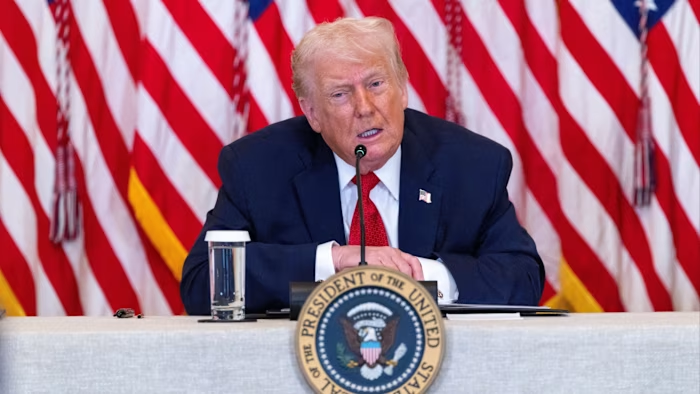
The crisis began late Saturday when President Donald Trump announced a stunning new policy. He declared that the United States must assume control over Greenland to ensure American security. This autonomous territory within the Kingdom of Denmark has long hosted US assets, specifically the Pituffik Space Base. However, the President argued this was insufficient.
He cited the need for a “Golden Dome” missile defense system. According to the White House, this system is necessary to counter Russian and Chinese aggression in the Arctic. Nevertheless, experts were quick to point out that the US already possesses the rights to build such defenses under the 1951 defense treaty. Consequently, the move is seen by many as a land grab rather than a strategic necessity.
Europe Strikes Back

When Denmark refused to discuss the transfer of sovereignty, the White House escalated the US Greenland conflict sanctions. The administration imposed immediate, crippling tariffs on European nations that supported Denmark’s position.
The reaction from Europe was unprecedented. Usually, the continent is divided on how to handle American pressure. However, this time was different. Leaders recognized an existential threat to their sovereignty. If the US could bully a NATO member into giving up territory, the alliance was meaningless.
French President Emmanuel Macron issued a blistering statement on X. He called the move “unacceptable intimidation” and explicitly linked the situation to the war in Ukraine. Furthermore, UK Prime Minister Keir Starmer broke with the traditional “Special Relationship.” He stood shoulder-to-shoulder with his European counterparts, stating that punishing allies for collective security is “wrong.”
Perhaps the most shocking development involved Italian Prime Minister Giorgia Meloni. A long-time ideological ally of the President, she publicly called the US Greenland conflict sanctions a grave “error.” Her defection signals that the White House is completely isolated on the world stage.
The Threat of Article 5
The situation is now moving from a diplomatic spat to a potential military standoff. Legal scholars are debating the unthinkable: Article 5 of the NATO treaty. This article states that an attack on one member is an attack on all.
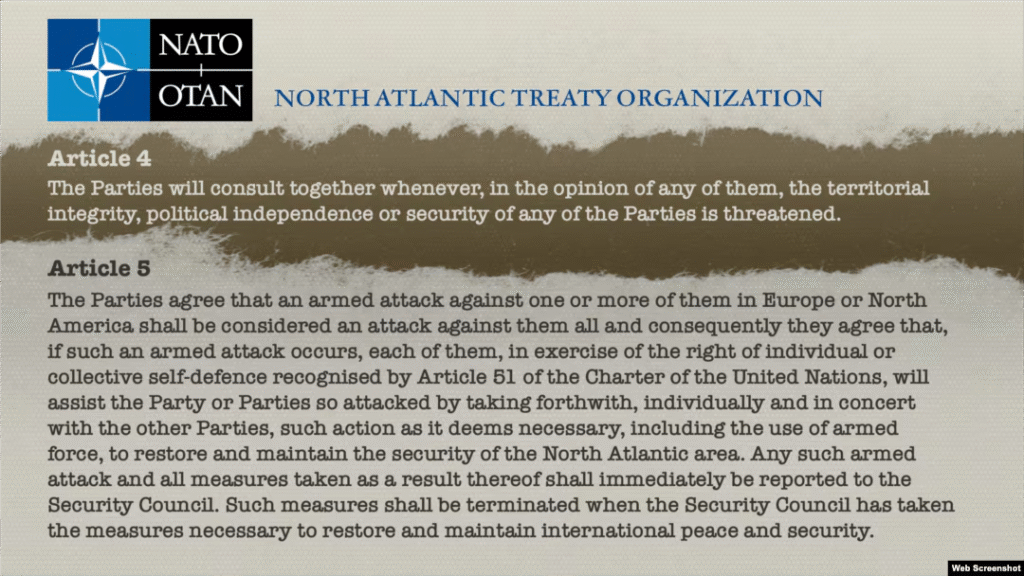
Technically, if US forces attempt to forcefully occupy Greenland against the wishes of the Danish government, it constitutes an armed attack on a NATO member. Consequently, the United Kingdom, France, Germany, and the Netherlands would be treaty-bound to declare war on the United States.
This scenario, once the plot of science fiction, is now a terrifying possibility. European ambassadors are currently meeting in Brussels to draft a “united and coordinated” response. They are expected to announce counter-sanctions that could target the US financial sector.
In conclusion, the US Greenland conflict sanctions have done what the Soviet Union never could: they have destroyed the political unity of the West. The coming days will determine if this diplomatic cold war turns hot in the freezing waters of the Arctic.
Article Sources:
“US Intentions Towards Greenland Threaten NATO’s Future” – Chatham House (International Affairs Think Tank). Analysis of the legal implications of Article 5 if a member state (US) attacks another member state (Denmark).
“Trump Threats Push Greenland Towards the EU“ – The New Union Post. Reporting on the shift in public sentiment in Nuuk and the potential for Greenland to seek closer economic ties with Brussels.
The Defense of Greenland Agreement (1951) – Real-world Treaty. This is the existing legal framework granting the US rights to the Pituffik Space Base, cited to highlight that the US already has the access it is demanding.



0 Comments