

Introduction
In San Nicolas, the rusting steel towers of the former Lago refinery stand as silent sentinels over a century of Aruban history. For decades, they were the engine of the island’s economy, processing billions of barrels of Venezuelan crude and fueling the Allied war effort in World War II. Today, however, they represent a fierce ideological battleground.
As of January 2026, Aruba stands at a definitive crossroads. Prime Minister Mike Eman has officially rejected the allure of Venezuelan oil, announcing a historic partnership with the Netherlands to permanently dismantle the facility. Meanwhile, the opposition party (MEP) argues that the island is walking away from a “golden handshake”, a chance to revive a second economic pillar amidst shifting geopolitical tides. This article explores the deep history, the current political fracture, and the gamble Aruba is taking on a green future.
The Rise and Fall of a Titan (1924–2012)
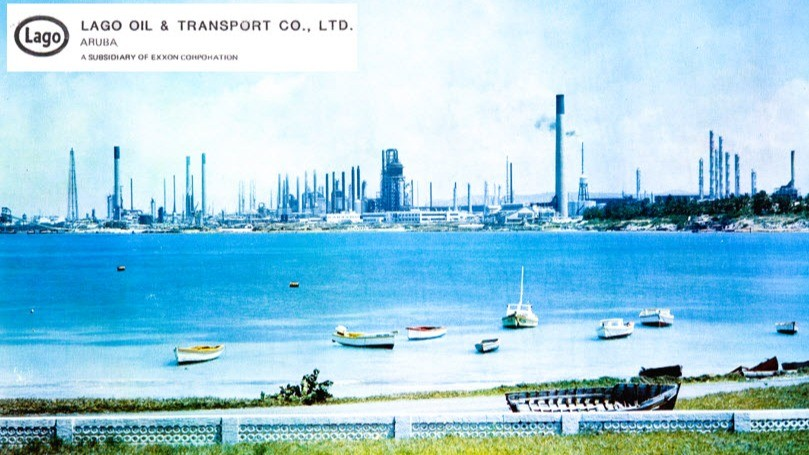
To understand the weight of this decision, one must understand the refinery’s legacy. Established in 1924 by the Lago Oil & Transport Company (a subsidiary of Standard Oil, later Exxon), the site was chosen because Lake Maracaibo in Venezuela was too shallow for large tankers. Shallow-draft ships shuttled crude to Aruba, where it was refined and shipped to the world.
- The War Years: During World War II, the Lago refinery was a strategic juggernaut, supplying a massive percentage of the Allied forces’ aviation fuel. It was so critical that in 1942, a German U-boat surfaced and shelled the facility; the first enemy attack on the Western Hemisphere during the war.
- The Slow Decline: Exxon departed in 1985, a shock that forced Aruba to pivot aggressively to tourism. While Valero Energy later reopened the plant, it closed for good in 2012 due to shrinking profit margins.
- The Citgo Mirage: The final gasp was a 2016 deal with Citgo (a subsidiary of Venezuela’s PDVSA) to refurbish the plant as an “upgrader” for heavy crude. The project collapsed under the weight of U.S. sanctions and Venezuela’s economic implosion, leaving the site dormant and decaying.
The 2026 Dilemma: “Green Gateway” vs. “Black Gold”

1. The Government’s Vision: The “Green Gateway.”
In November 2025, Prime Minister Mike Eman and Dutch Prime Minister Dick Schoof stood before the refinery to announce its permanent dismantling. The government’s position is clear: oil is a volatile, dirty industry that has no place in “Brand Aruba.”
- The Plan: The site is being transformed into the “Green Gateway.” The vision involves remediating the contaminated soil and repurposing the deep-water port for hydrogen transshipment, renewable energy parks (solar/wind), and eco-tourism development.
- Dutch Support: The Netherlands has pledged technical assistance and €50 million to aid in the energy transition, signaling strong European backing for Aruba’s move away from fossil fuels.
- Strategic Rationale: Eman argues that restarting the refinery would result in a “stranded asset”, investing millions in technology that will be obsolete within two decades as the world decarbonizes.
2. The Opposition’s Case: The Second Economic Pillar
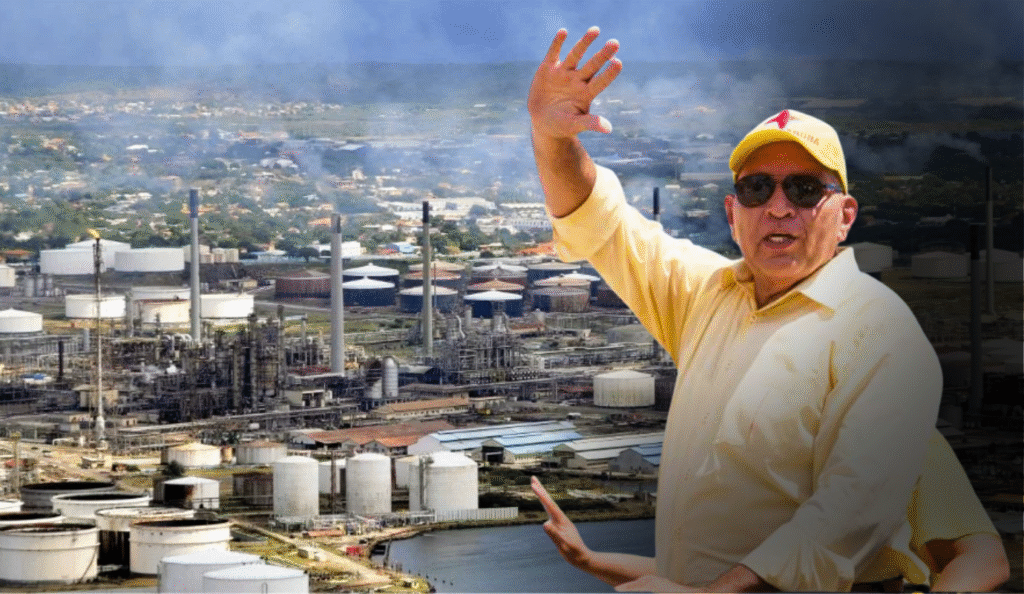
The MEP party, led by voices such as MP Endy Croes, views the dismantling as a strategic error. They argue that the government is ignoring the immediate reality of the energy market.
- Geopolitical Shifts: With the U.S. signaling it may ease sanctions on Venezuela to stabilize global oil prices, the Caribbean is once again becoming a strategic refining hub. MEP argues that Aruba is sitting on a turnkey solution to process this oil, but is refusing to open the door.
- Economic Security: The opposition highlights Aruba’s dangerous over-reliance on tourism. A functional refinery would provide high-paying technical jobs and generate foreign exchange, insulating the economy from tourism downturns (such as the one seen during the COVID-19 pandemic).
- The Curaçao Comparison: Just roughly 70 miles away, Curaçao has taken the opposite path. The neighboring island has actively courted Venezuelan crude and U.S. partnerships to revitalize its own refinery and Bullenbaai terminal. MEP supporters point to Curaçao and ask: Why are we saying no to money that our neighbors are saying yes to?
Analysis: The Pros and Cons of a Restart
Why Restarting Could Be “Good” (The Economic Argument)
- Diversification: It immediately creates a counterweight to the tourism industry.
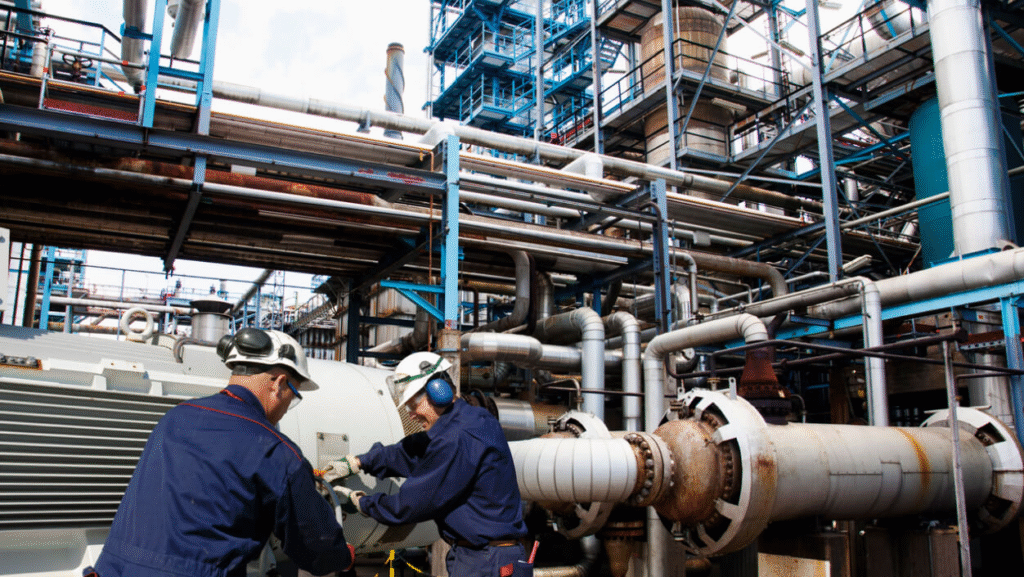
- Job Creation: Refining requires specialized labor (welders, engineers, safety inspectors), offering employment for San Nicolas residents who may not benefit directly from the hotel sector in the north.
- Currency Stability: Oil exports generate massive inflows of US dollars, which are critical for maintaining the Aruban Florin’s peg (1.79 AWG = 1 USD).
Why Restarting Could Be “Bad” (The Sustainability Argument)
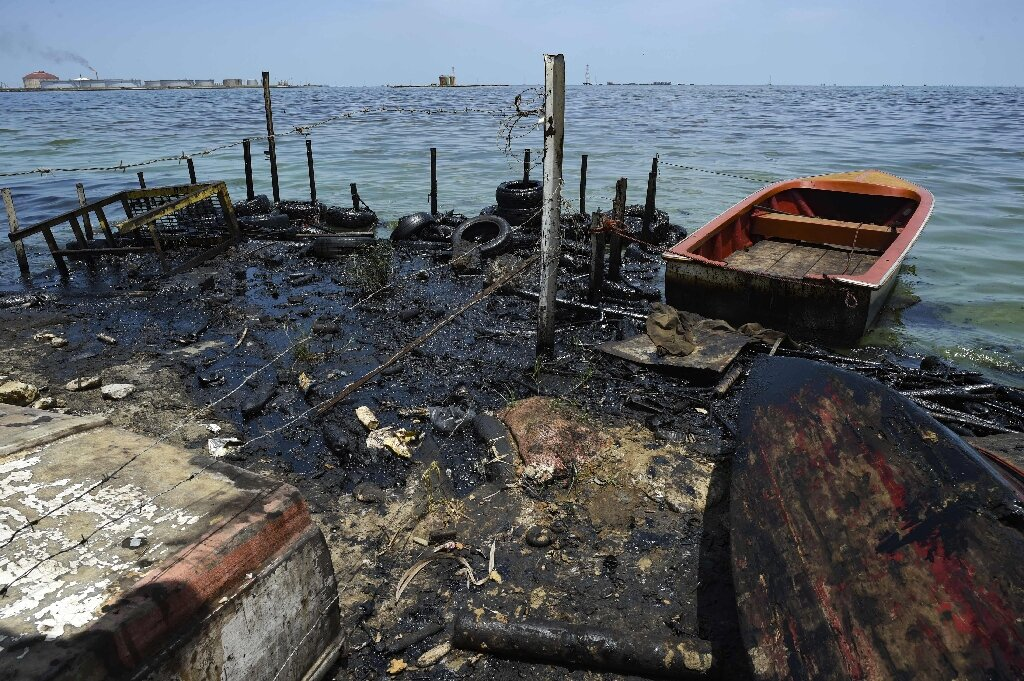
- Environmental Toxicity: The “legacy” of the refinery is toxic. Studies have shown significant historical damage to nearby coral reefs due to sedimentation and oil leaks. Restarting operations would spike air pollution (sulfur dioxide and particulates), directly affecting the health of San Nicolas residents.
- Tourism Conflict: Aruba markets itself as a pristine, eco-friendly paradise. Smoking stacks are antithetical to the high-value “eco-tourist” demographic the island is trying to attract.
- Volatility Trap: Venezuela remains a politically unstable partner. Tying Aruba’s economy back to Venezuelan crude exposes the island to the whims of Caracas and Washington. If sanctions return or Venezuelan production falters, Aruba would once again be left with a bankrupt tenant.
Conclusion
Aruba’s refusal to accept Venezuelan oil is more than an economic decision; it is an identity shift. By dismantling the Lago refinery, the Eman administration is burning the bridge to the 20th century, betting that the future lies in hydrogen and sunshine rather than heavy crude. While the opposition sees this as a missed windfall, the government sees it as dodging a toxic bullet. As the towers come down in 2026, San Nicolas will finally cease to be the Caribbean’s gas station and instead attempt to become its green laboratory.
Sources
Aruba News. (2025, November 10). Aruba and the Netherlands announce the dismantling of the San Nicolas refinery. https://arubanews.ca/aruba-and-the-netherlands-announce-the-dismantling-of-the-san-nicolas-refinery/
Eakin, C. M., Feingold, J. S., & Glynn, P. W. (1993). Oil refinery impacts on coral reef communities in Aruba, N.A. In R. N. Ginsburg (Ed.), Proceedings of the colloquium on global aspects of coral reefs: Health, hazards, and history (pp. 139–145). Rosenstiel School of Marine and Atmospheric Science.
EA News. (2026, January 17). Aruba refinery could become a second economic pillar for the island of Aruba. https://www.eanews.com/aruba-refinery-could-become-a-second-economic-pillar-for-the-island-of-aruba/
Government of Aruba. (2025, November 10). Aruba and the Netherlands announce the dismantling and repurposing of the former Lago refinery. https://www.gobierno.aw/en/aruba-and-the-netherlands-announce-the-dismantling-and-repurposing-of-the-former-lago-refinery
Tribune Editorial Staff. (2025, November 9). 100 Years: Lago era ends in San Nicolas as Aruba turns to new uses for the site. The People’s Tribune. https://www.thepeoplestribunesxm.com/articles/100-years-lago-era-ends-in-san-nicolas-as-aruba-turns-to-new-uses-for-the-site
Venezuelanalysis. (2025, November 18). The Netherlands colonizes the Antilles for Venezuelan oil. https://venezuelanalysis.com/opinion/the-netherlands-colonizes-the-antilles-for-venezuelan-oil/



0 Comments