

For most visitors, Aruba is a paradise of white sands and turquoise water. However, for local people, the island’s identity is deeply political. It is rooted in a hard-fought achievement known as Status Aparte.
To understand modern Aruba, you must understand the story of Aruba’s Status Aparte and Betico Croes. Croes is the man whose legacy defines the island’s autonomy. This article explores his vital role in history.
What is Status Aparte?
Technically, Status Aparte translates to “separate status.” It refers to a major constitutional change. This change took effect on January 1, 1986.
Before this date, Aruba did not govern itself directly. It was just one of six islands forming the “Netherlands Antilles.” The group was governed centrally from the neighboring island of Curaçao.
For decades, many Arubans felt overshadowed. They felt their specific needs were secondary to the central government. Consequently, they pushed for separation.
Status Aparte meant Aruba seceded from the Netherlands Antilles. It became an autonomous country directly within the Kingdom of the Netherlands.
The Significance for Locals
This change was profound for the local population. It shifted their entire political landscape in three key ways:
- “Boss in our own house”: The status gave Aruba control over internal affairs. They could now manage their own tourism strategy, education system, and infrastructure.
- A Distinct Identity: It validated Aruba as a unique nation. It formally separated their destiny from the other Dutch Caribbean islands.
- Economic Control: Most locals view this shift as the catalyst for prosperity. It allowed them to create their own currency, the Aruban Florin. Furthermore, they could pivot toward the successful tourism model seen today.
Who Was Betico Croes?
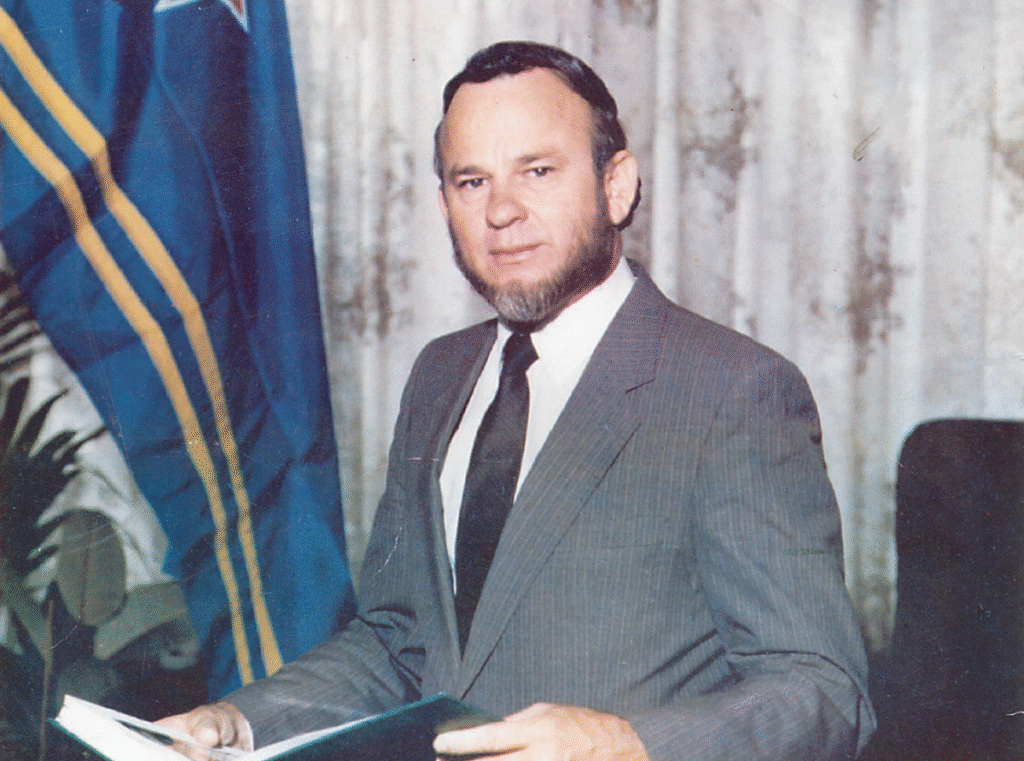
Gilberto François Croes (1938–1986) is the central figure of this story. He is known affectionately as Betico.
He was a schoolteacher turned politician. Today, he is widely considered the “Father of the Aruban Nation” (Tata di Nacion).
In 1971, he founded the political party MEP. He had a singular goal: self-determination for Aruba. Betico was a charismatic leader who mobilized the population. He traveled internationally to the Netherlands and the UN. He argued passionately that Aruba had the right to determine its own future.
The “Libertador”
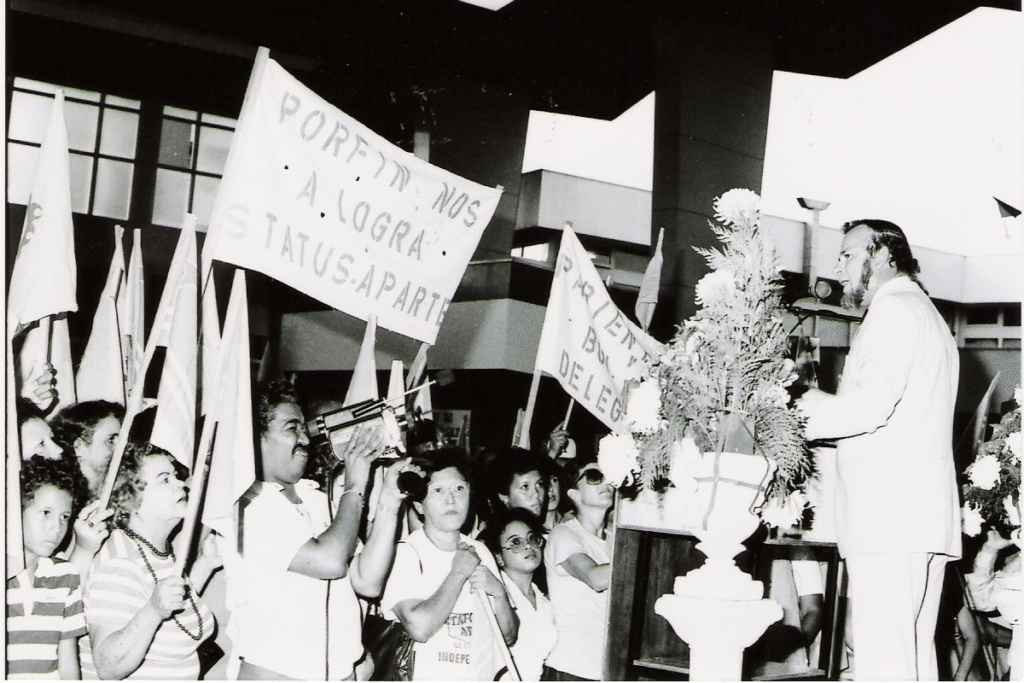
Betico Croes is often called the “Libertador” (Liberator). He realized that a country needed symbols to unite around before it could have a government.
Therefore, he drove the creation of Aruba’s national identity markers. He helped establish Aruba’s national anthem (Aruba Dushi Tera) and the flag in 1976. This was a full decade before political autonomy actually arrived.
His famous rallying cry remains popular today: “Si mi cai na caminda, gara e bandera y sigui cu e lucha” (If I fall along the way, grab the flag and continue the fight).
The Tragedy of Victory

There is a tragic element to Betico’s story. This tragedy cements his emotional importance to local people.
After years of intense negotiations, he finally secured the agreement for Status Aparte. It was scheduled to begin on January 1, 1986.
However, disaster struck on December 31, 1985. Mere hours before he could witness his reality, Betico was involved in a severe car accident. He slipped into a coma. Sadly, he never regained consciousness to see the autonomous Aruba he built. He passed away later in 1986.
Why Celebrate Dia di Betico on January 25th?
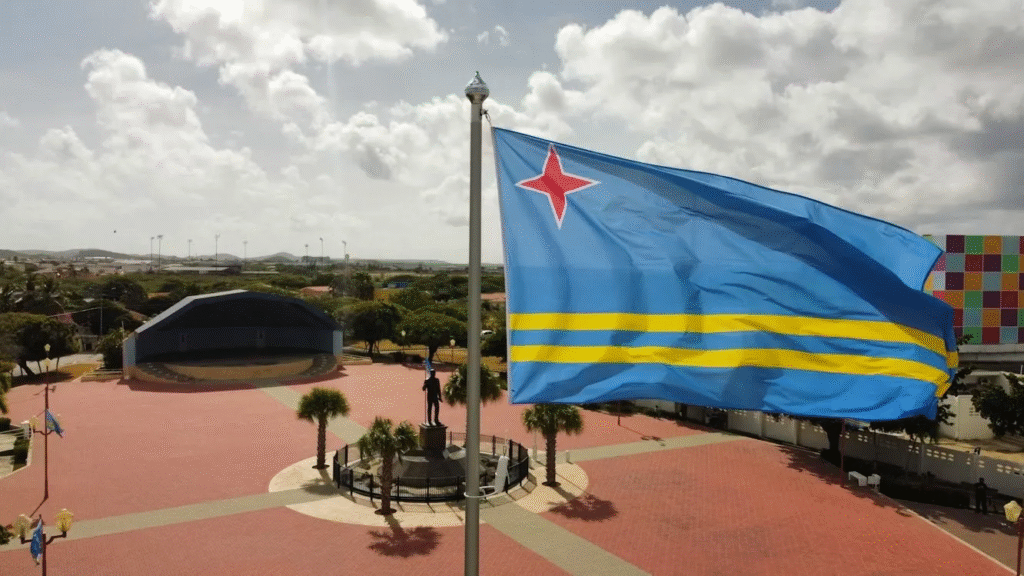
Every year, Arubans celebrate Dia di Betico (Betico Day) on January 25th. They celebrate on this date simply because it was Betico Croes’ birthday.
It is an official national holiday. However, it is observed differently than the loud parties of Carnival. Dia di Betico is a day for patriotism, respect, and reflection.
How Locals Celebrate
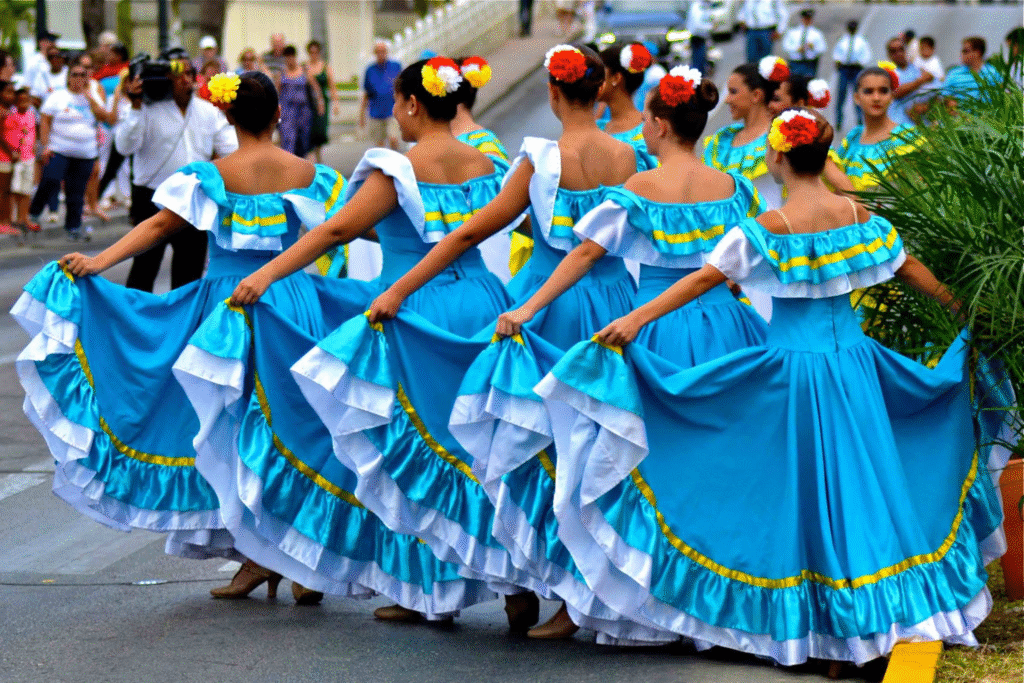
The day usually begins with a ceremonial flag raising. Government officials lay wreaths at his statues in Oranjestad and his hometown of Santa Cruz. Furthermore, locals participate in sporting events, such as the annual Betico Croes Memorial Run.
For the Aruban people, January 25th honors the man who gave them their voice. It ensures they remember their history. While they remain part of the Dutch Kingdom, they stand firmly on their own two feet.
Sources
Aruba Tourism Authority. (n.d.). History and culture. Retrieved January 22, 2026, from https://www.aruba.com/us/our-island/history-and-culture
Encyclopædia Britannica. (2024). Betico Croes. In Encyclopædia Britannica. https://www.britannica.com/biography/Betico-Croes
Government of the Netherlands. (n.d.). Governance of Aruba, Curaçao and St Maarten. https://www.government.nl/topics/caribbean-parts-of-the-kingdom/governance-of-aruba-curacao-and-st-maarten



0 Comments