

A Disappearing Tradition: The Cultural Significance of the Veil and Sincuri in Aruba
Once an unmistakable part of daily life in Aruba, the veil and the sincuri—traditional head coverings for women and men—are now fading into memory, kept alive only through oral history and rare photographs. These simple cloths were far more than fashion. They expressed identity, modesty, faith, and respect, woven into the rhythm of Aruba’s social and spiritual life.
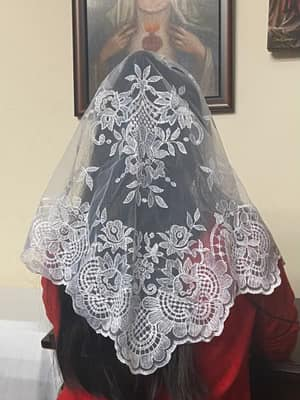
The Women’s Veil: Faith and Femininity Woven in Cloth
For women, the veil was worn to church, during ceremonies, and even for everyday errands. Oral accounts from elders describe a time when a woman wouldn’t dream of entering a church without her head covered. Girls would start with small hats and transition to veils as they matured, marking a rite of passage that combined faith with femininity.
The veils were often triangular and worn in two different styles: with the point at the back and the sides forward, or the point at the front and the sides tied at the back—each style a matter of personal taste or community custom. Beneath the veil, many women wore a hair net to keep their hair in place under the fabric. Color and material varied depending on the occasion. The veil wasn’t reserved for older women; young girls and newlyweds also wore them, especially during religious events or formal gatherings.
Globally, veil-wearing traditions have long symbolized piety, social class, and modesty—from ancient Assyrian laws to Catholic “mantillas” in European churches. The use of the veil in Aruba fits within this broader cultural context, while still holding its own unique local identity.
The Men’s Sincuri: Honor and Discipline
On the other side of the social spectrum, men had their own symbol of respect: the sincuri, a wide-brimmed hat likely made in Savaneta and other parts of Aruba. Proudly produced, these hats became cultural markers for men, especially those on horseback or involved in civic duties.
The sincuri wasn’t worn casually in sacred or formal spaces. Men were expected to remove their hats upon entering a church—a sign of respect governed by strict social etiquette. The way the sincuri was worn, and when it was taken off, reflected a complex code of honor and discipline among Aruban men.
A Lasting Heritage and Its Relevance Today
Though rarely seen today, both the veil and the sincuri remain deeply symbolic. They marked generational shifts, transitions from childhood to adulthood, and daily values of respect and decorum. These traditions also linked Aruba to broader global customs of head covering found in Europe, the Middle East, and the Americas—connecting this small Caribbean island to centuries of cultural practice.
As Aruba moves deeper into modernity, these traditions serve as quiet reminders of the richness of its cultural fabric. What was once commonly worn now lives on in memory, museum collections, and stories passed down in homes and churches.
Preserving these practices—through storytelling, photography, and education—is not just about honoring the past. It’s about understanding how deeply culture lives in the things we wear, and the meaning behind how and why we wore them.



0 Comments